January
Peak · dry
Outside hurricane season entirely — winter fronts bring breeze, not storms.
Air
25°C
Water
24°C
Crowds
High
Prices
High
Classic postcard weather and the highest rates. Book two to three months out.
Weather & storm season
Six months of the year carry some storm risk, and those same months are the warmest, quietest and cheapest to travel in. Here's the honest version — when the risk actually sits, what happens if a storm comes, and the terms worth insisting on before you pay a deposit.
Illustrative — not a live forecast
Season runs
Jun 1 – Nov 30
The official Atlantic window
Peak weeks
Mid-Aug – mid-Oct
Statistically busiest, around Sep 10
Our pick
May & June
Warm water, low rates, quiet tropics
The shape of the year
The season is six months long, but the activity stacks into about six weeks of it. Pick a month to see what you'd actually be booking into.
Relative Atlantic storm activity across the year, indexed to the September peak. It's the shape of the season, not a forecast, and not the odds of a storm reaching any one island.
Peak · dry
Outside hurricane season entirely — winter fronts bring breeze, not storms.
Air
25°C
Water
24°C
Crowds
High
Prices
High
Classic postcard weather and the highest rates. Book two to three months out.
Peak · dry
No storm risk. The occasional cold front drops temperatures for a day or two.
Air
25°C
Water
24°C
Crowds
High
Prices
High
Dry, breezy, and popular — a reliable choice if you can pay peak prices.
Peak · dry
No storm risk. Windier than midwinter, which sailors like and swimmers notice.
Air
26°C
Water
25°C
Crowds
High
Prices
High
Great weather, but Nassau and Grand Bahama get lively. Out Islands stay calmer.
Shoulder
Still outside the season. Calm, dry, and settled — the last of the reliable weather.
Air
27°C
Water
25°C
Crowds
Medium
Prices
High
Crowds start to thin while the weather holds. A smart late-peak window.
Sweet spot
Pre-season. Named storms this early are rare and almost never reach the Bahamas.
Air
28°C
Water
26°C
Crowds
Low
Prices
Medium
Warm water, thin crowds, soft prices — our favourite month to travel.
Sweet spot
Season opens June 1, but June is historically among its quietest months.
Air
29°C
Water
27°C
Crowds
Low
Prices
Medium
The value sweet spot continues — book flexible cancellation as hurricane season opens.
Low · warm
Activity starts to build. Still low, but this is when to start checking the tropics.
Air
30°C
Water
28°C
Crowds
Medium
Prices
Medium
Hot and festive. A brief local-holiday bump, then quiet again.
Low · warm
The ramp-up month — activity climbs sharply through the second half.
Air
31°C
Water
29°C
Crowds
Low
Prices
Low
The warmest water of the year and the lowest rates. Watch the tropics.
Low · storm
The statistical peak of the Atlantic season, centred on the second week.
Air
31°C
Water
29°C
Crowds
Low
Prices
Low
Rock-bottom prices and empty beaches, but peak storm season — travel flexibly.
Low · storm
Past the peak but still active, with storms more likely to form close to home.
Air
30°C
Water
28°C
Crowds
Low
Prices
Low
Still storm season, still great value. Keep an eye on the forecast the week before.
Shoulder
The season winds down. Risk drops steeply and ends with the month.
Air
28°C
Water
27°C
Crowds
Medium
Prices
Medium
Storm risk fades and prices are still reasonable. An underrated month.
Peak · dry
Season closed on November 30. Back to dry, settled winter weather.
Air
26°C
Water
25°C
Crowds
High
Prices
High
Holidays bring crowds and top rates, but the Junkanoo parades are unmissable.
First, the framing
"Hurricane season" describes a six-month window in which storms are possible somewhere in a very large ocean. It does not describe the weather you'll get. Most trips taken inside it come home with nothing more dramatic than an afternoon of hard rain and a cancelled boat day.
What changes in these months isn't whether you go. It's how you book: terms you can actually use, insurance bought early, and the habit of checking the National Hurricane Center in the week before you fly.
6 months
of official season — June through November — against roughly six weeks that carry most of the activity.
700 islands
spread across a basin far wider than any one storm. A named storm in the Atlantic is usually nowhere near your island.
48 hours
of warning before conditions are even possible. You will not be surprised by a hurricane; you'll watch it coming for days.
If one does come
It's a week-long sequence with clear decision points, not a single moment. Step through it.
A disturbance gets flagged and the forecast cone appears. At this range the cone is wide and the track routinely shifts hundreds of miles — most systems at this stage never reach the Bahamas at all.
What you do
Don't cancel anything. Note it, check once a day, and find your airline's change policy so you're not reading it in a panic later.
A watch means hurricane conditions are possible in the area within 48 hours. Airlines start issuing change waivers, and the flights off the island begin filling.
What you do
This is the decision point, not the panic point. If you are going to move your trip, do it now — a waiver is worth far more before everyone else uses theirs.
A warning means those conditions are now expected. Ports close, the airport winds down, and shops sell out of water and batteries. Government shelters open on the affected islands.
What you do
If you're still on the island, you're staying. Follow your host and the local authorities, fill water containers, charge everything, and move off the ground floor if asked.
The worst of it typically passes in a matter of hours, though the outer bands run much longer. Power and mobile networks usually go before the wind peaks.
What you do
Stay inside, away from windows, through the whole thing — the calm of an eye passing overhead is not the end of the storm.
Airports reopen in stages, usually once runways are cleared and power is restored. A lightly brushed island can be running again in a day or two; a directly hit one takes far longer.
What you do
Expect a backlog on outbound flights, and keep every receipt — most insurance claims are settled on paperwork, not on how bad it felt.
Reading the numbers
The Saffir–Simpson scale rates sustained wind speed, and the jump between steps is much bigger than the numbers suggest. Category 3 and above is classed as a major hurricane.
39–73 mph
Rain in sheets, rough seas, boat trips cancelled, and the odd power flicker. Uncomfortable and trip-disrupting rather than dangerous in a solid building.
74–95 mph
Branches down, unsecured roofing and signage gone, power out for a day or more. Well-built Bahamian homes come through it fine.
96–110 mph
Roof and siding damage is widespread, shallow-rooted trees come down, and power can be out for days to weeks on smaller islands.
111–129 mph
Category 3 and up is classed as a major hurricane. Structural damage becomes common and water and electricity can be gone for weeks.
130–156 mph
Most trees snapped, roofs and exterior walls lost on many buildings, and areas left uninhabitable for weeks or months.
157+ mph
A high share of buildings destroyed outright. Dorian, which stalled over Abaco and Grand Bahama in September 2019, was a Category 5 — the storm every plan in the Bahamas is written against.
Before you pay
A cheap September week is only cheap if you can walk away from it. Settle all of this in writing, in the message thread, before any money moves.
Not "we'll work with you." Ask for the actual sentence covering what happens if a named storm affects your dates, and get it in the message thread or the rental agreement.
The clause should hang on something external and checkable: a hurricane warning for the island, a government evacuation order, or the airport closing. Not the host's judgement on the day.
A credit for a future stay is worth much less than money back. Ask directly which one you get, whether it covers the full amount including fees, and how long a credit lasts.
Many policies stop being flexible 30 or 60 days out — well before a storm is ever forecast. A window that closes before the tropics are even readable is not storm protection.
Storms cancel flights to islands they never hit. Ask whether a cancelled inbound flight counts, or only a storm hitting the island itself — the two are very different clauses.
Common after even a glancing storm. Ask whether there is a generator and a water tank, and what the position is if the house is standing but not really livable.
Slow the booking down if you see
The other half of the protection
General guidance, not advice on a specific policy — always read the named-storm wording on the one you're actually buying.
Once a storm is named, it becomes a foreseeable event and policies bought after that point generally will not cover it. Cover bought at booking is worth far more than cover bought when the forecast turns.
Most policies pay out for a named list of reasons — the airline cancels, the accommodation becomes uninhabitable, an evacuation is ordered. Deciding you no longer fancy the forecast is rarely on that list.
CFAR upgrades cost more, usually have to be added soon after your first booking, and typically refund a percentage rather than the lot. It is the only version that pays out simply because you changed your mind.
Cancellation emails, the airline notice, receipts for the extra hotel night. Claims are settled on documentation, and it is far easier to collect it as it happens than to reconstruct it later.
Island by island
Storm risk across the chain is broadly similar. What differs is how quickly an island gets back on its feet — and how easily you can leave.
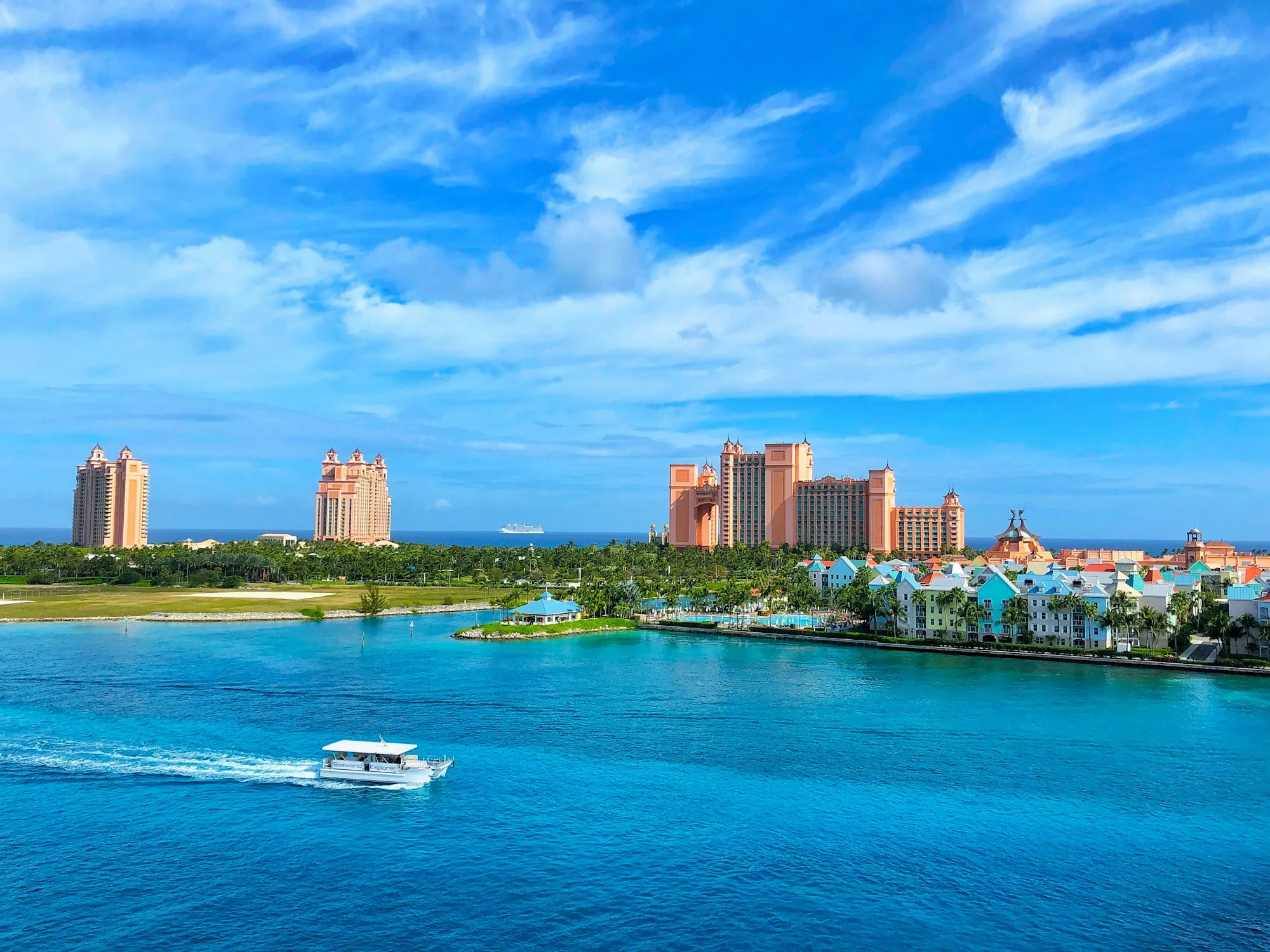
The best-resourced island for a storm: the most solid building stock, the most shelters, and the airport that reopens first and flies the most routes out.
Island guide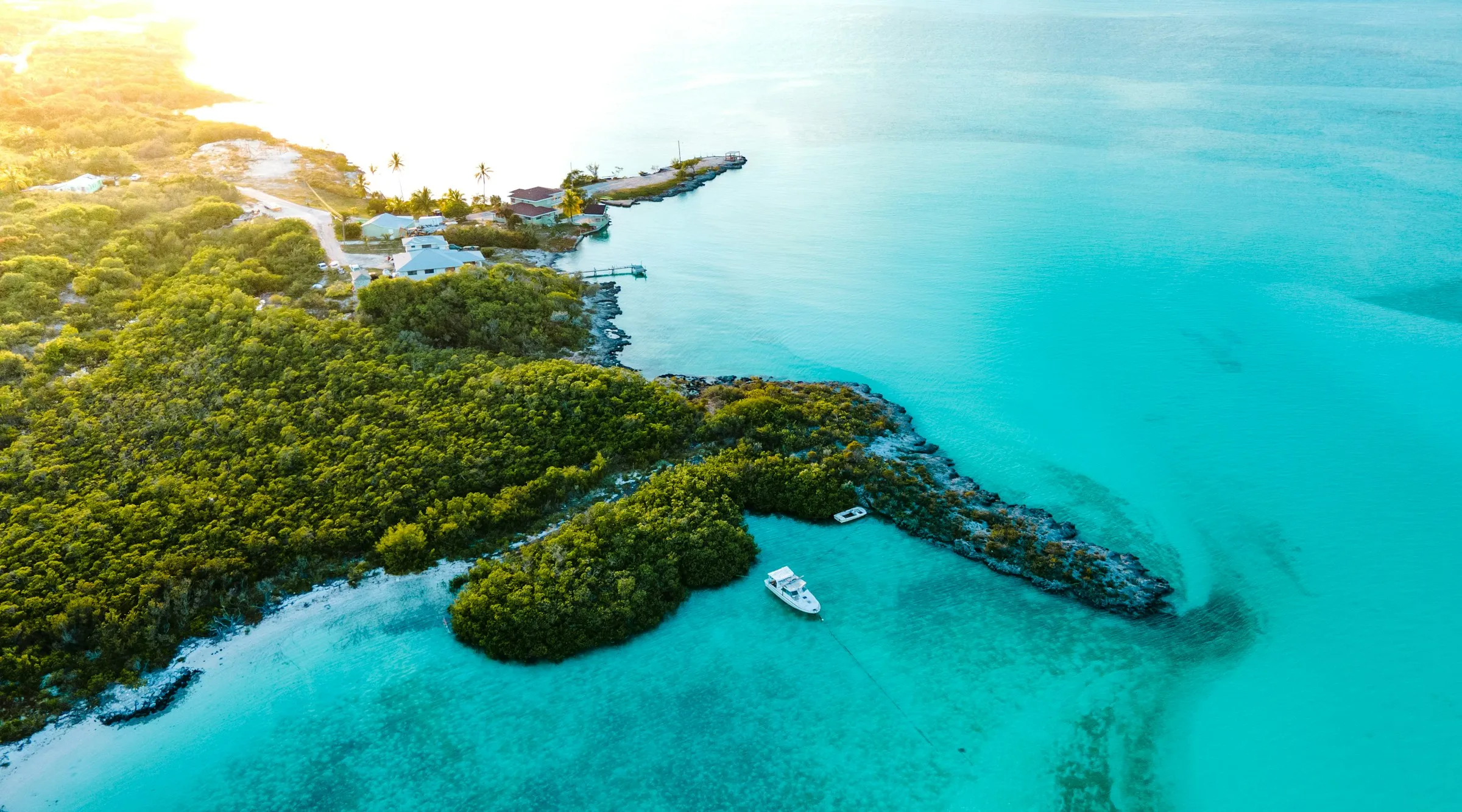
Long, thin and low, with a single small airport. Rarely the headline in a storm, but a spread-out island where power and water take longer to come back.
Island guide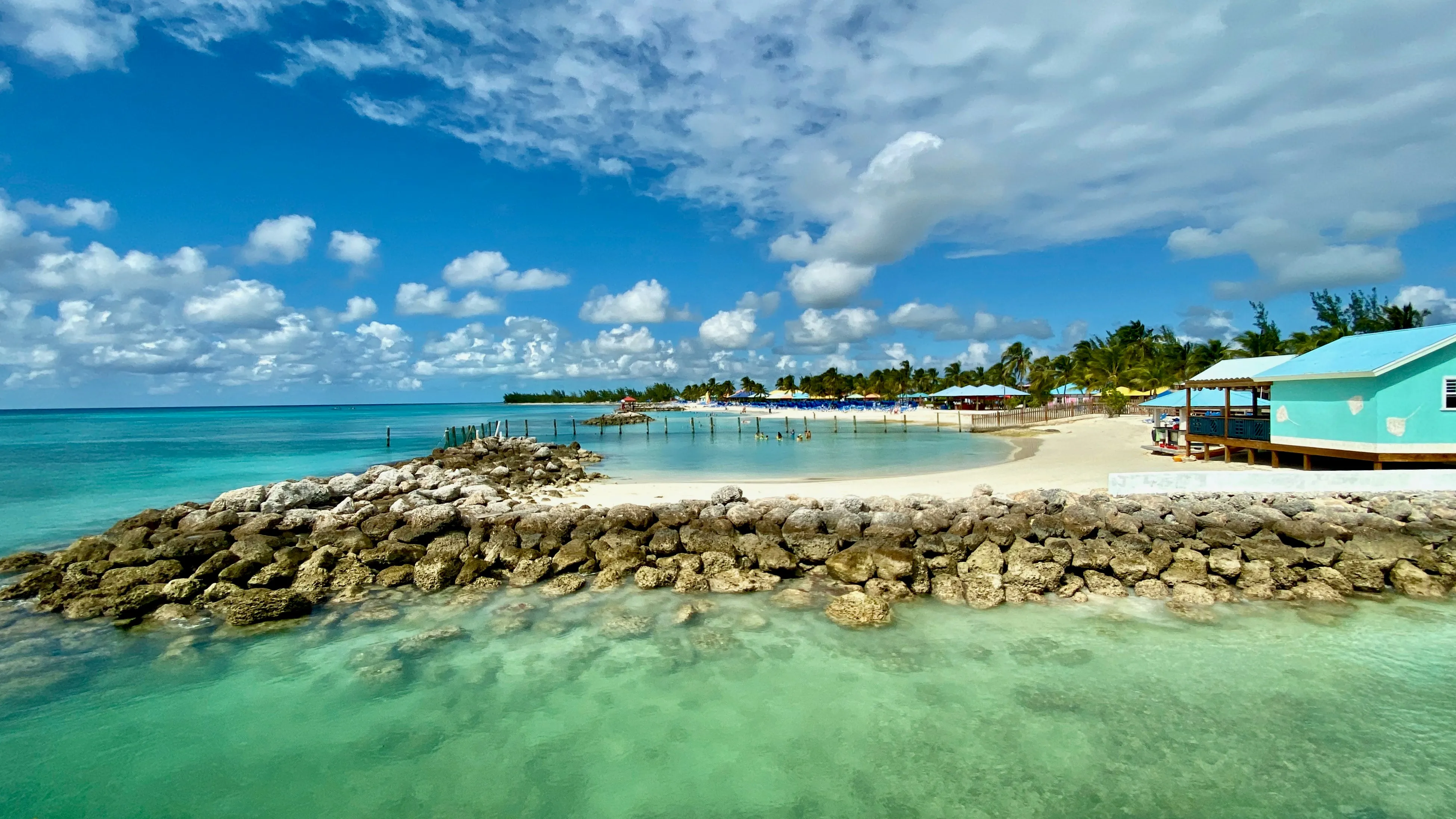
Narrow enough that weather crosses the whole island at once, and reliant on a short water crossing to Harbour Island that stops running well before a storm arrives.
Island guide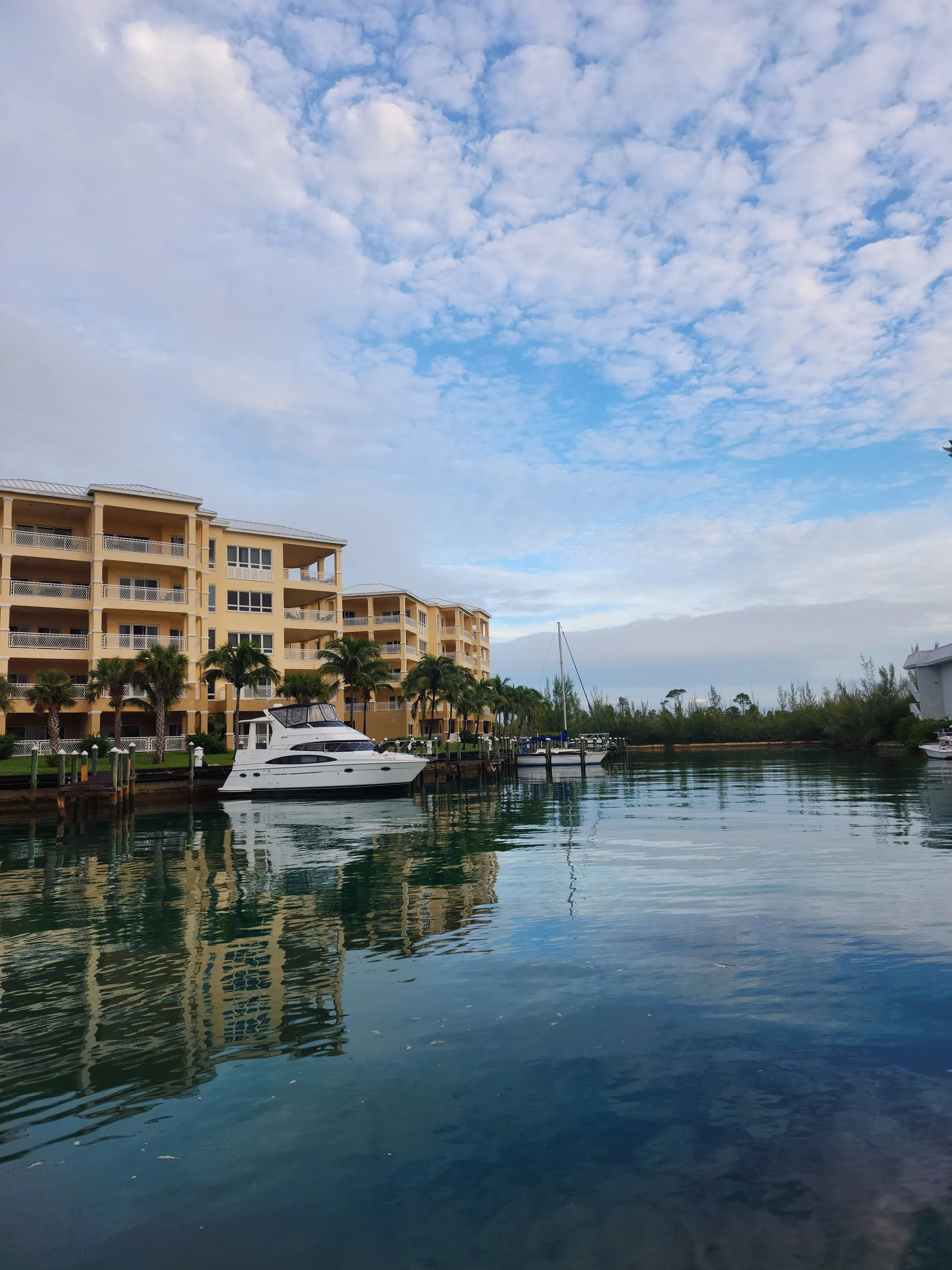
Took the worst of Dorian in 2019 alongside Abaco, and parts of the island are still rebuilding. Also the closest island to Florida, which makes leaving early easiest.
Island guideGood to know
The Atlantic hurricane season runs from June 1 to November 30. Activity is not spread evenly across it: June and July are historically quiet, activity climbs sharply through August, peaks in the second week of September, and falls away through late October and November.
For most trips, yes. The season is six months long and storms are episodic rather than constant — the large majority of trips taken during it see nothing worse than a heavy rain day. What changes is not whether you go, but how you book: flexible cancellation terms, travel insurance bought at the time of booking, and a habit of checking the tropics in the week before you fly.
A hurricane watch means hurricane conditions are possible in the area within 48 hours. A hurricane warning means those conditions are expected within 36 hours. A watch is the point to make a decision about moving your trip; by the time a warning is issued, most flights out have gone.
It depends entirely on the terms you agreed to, which is why they are worth settling before you pay. Ask for a named-storm clause in writing, tied to an external trigger like a hurricane warning for the island or the airport closing, and be clear on whether you get money back or a credit toward a future stay.
Only if you bought it before the storm was named — after that it counts as a foreseeable event and is generally excluded. Standard policies cover a defined list of situations, such as the airline cancelling or an evacuation being ordered. A "cancel for any reason" upgrade is the only version that pays out because you simply decided not to travel, and it typically refunds a percentage rather than the full cost.
Rates drop steadily from June and bottom out in September and October, the cheapest and quietest months of the year across all four islands. That discount is the trade-off for the risk — which is exactly why the cancellation terms attached to a cheap late-summer booking matter more than the price itself.
Free download
Every question worth asking a host before you pay — including the storm-season terms on this page, in a list you can work through.
Sending it over…
Check your inbox — the checklist is on its way.
No spam. One email with the checklist, then only the occasional new-island guide.